

 Mikaela Hardiman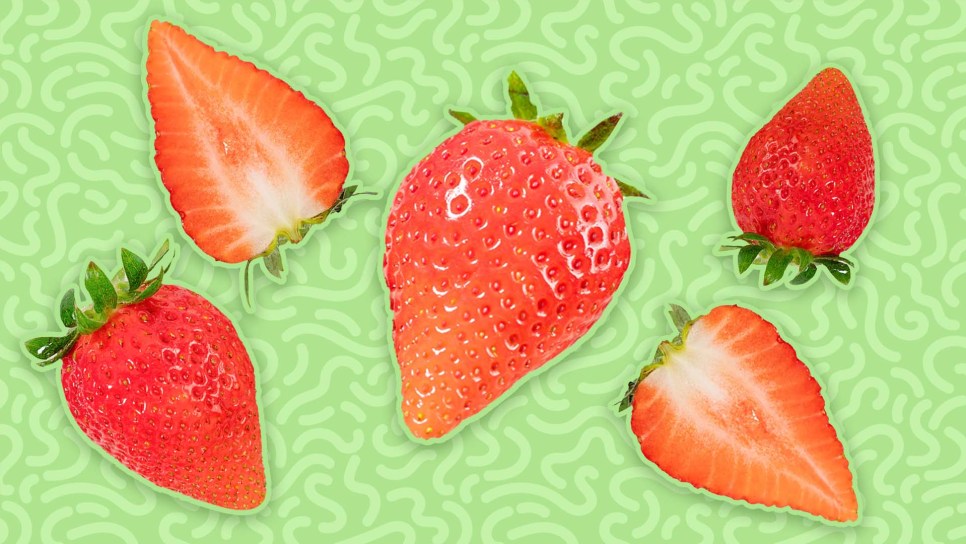
Strawberries have been having a pretty impressive run online lately. They’ve been dipped in Dubai chocolate, blended into matcha drinks, turned into luxury desserts, and aggressively romanticized across TikTok. But somehow, regular strawberries are no longer enough for the internet. The latest obsession? Japanese strawberries–a fruit so aesthetically perfect it almost looks AI-generated.
Videos by Sporked
According to food intelligence platform Tastewise, Japanese strawberries are officially 2026’s breakout food trend, seeing 28.14% year-over-year growth alongside more than 23 million social posts and 5.3 million recipes online. TL;DR: these fruits are trendy, which is impressive for a fruit most Americans have probably never actually seen in person.
And once you look into them, the obsession starts making a little more sense.
Japanese strawberries aren’t just strawberries grown in Japan. They’re cultivated more like luxury products than produce, with growers spending years perfecting sweetness, texture, color, and symmetry. Certain varieties are famously expensive, with premium berries sometimes selling for more than $10 each. Yes, individually. Tiny fruit. Double-digit pricing.
Why Japanese Strawberries Went Viral
Part of the fascination comes down to appearance. Japanese strawberries are glossy, perfectly shaped, intensely red, and often much larger than the average grocery store berry in the United States. But the bigger selling point is flavor; many varieties are bred to be sweeter, softer, and more fragrant than the strawberries most Americans are used to buying (slightly underripe and misshapen in plastic clamshells).
Tastewise notes that viral food trends in 2026 are driven by three things: visual appeal, simplicity, and conversation value. Japanese strawberries absolutely check every box. They look expensive, photograph beautifully, and immediately spark curiosity about what powers a strawberry could possibly possess to justify luxury pricing.
Are Japanese Strawberries Actually Coming To The United States?
Fresh imported Japanese strawberries remain relatively rare in the United States due to strict import regulations, limited supply, and a short shelf life. That said, specialty grocer Erewhon has drawn attention for selling single Elly Amai strawberries shipped from Kyoto for around $19 each. The internet, predictably, lost its mind. Specialty Japanese grocery stores occasionally carry similar imports, but for most Americans the trend shows up indirectly through strawberry-matcha drinks, fruit sandos, luxury desserts, and social media videos filmed in high-end fruit shops in Tokyo.
The more accessible version is already here. Oishii, an American vertical farming company, has been growing Japanese-style strawberries domestically since 2018. Their berries–including the Omakase, Koyo, and Nikko varieties–are now sold in many U.S. retail locations, including select Whole Foods stores. Following recent pricing updates, they typically retail for around $10 per package depending on variety. Still premium, but far from viral luxury pricing.
So no, most Americans probably aren’t about to start casually spending $10 on individual strawberries. But the idea of Japanese strawberries–hyper-sweet, visually perfect, and aspirational enough to go viral–has already fully entered the food trend ecosystem. Which means we may officially be living in the year of the luxury strawberry.

 Hebba Gouda
 Jordan Myrick
 Will Morgan
Thoughts? Questions? Complete disagreement? Leave a comment!