

 Mikaela Hardiman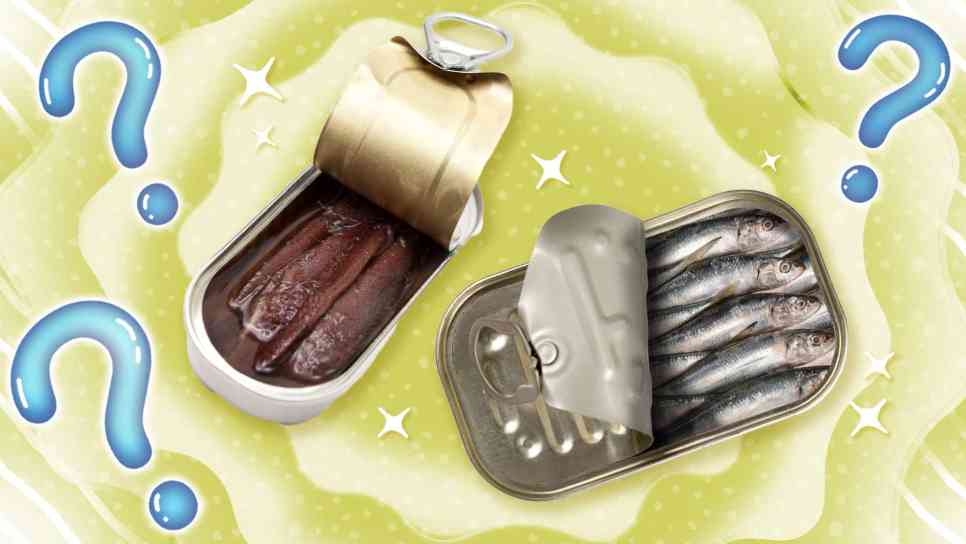
Not that long ago, tinned fish had a very predictable reputation.
Videos by Sporked
It lived at the back of the pantry. You bought it because it lasted forever, not because you were excited to eat it. If someone suggested serving canned sardines at a dinner party, you’d probably laugh and assume they were joking.
Now it’s sitting on charcuterie boards.
It’s showing up on date nights, restaurant menus, and all over TikTok, where opening an expensive tin of seafood has somehow acquired its own loyal fanbase. Some cans sell for more than an entire rotisserie chicken and people are collecting the packaging almost as enthusiastically as they’re eating what’s inside.
Somewhere along the way, tinned fish stopped being emergency food and became aspirational.
The Tin Became Part Of The Product
Part of the shift has very little to do with the fish itself.
Brands like Fishwife, José Gourmet, and Patagonia Provisions have turned packaging into part of the experience, replacing plain supermarket labels with colourful illustrations, artist collaborations, and tins that look like they belong on a bookshelf instead of in a pantry.
They’re designed to be photographed. They’re designed to be gifted. And perhaps most importantly, they’re designed to be kept on display after you’ve finished eating their contents.
It’s difficult to think of another grocery product where people are almost as interested in the packaging as what’s inside it.
Suddenly, It Feels Fancy
The fish hasn’t changed all that much. Sardines are still sardines. Anchovies are still anchovies. What’s changed is the story wrapped around them.
Instead of being sold as a cheap pantry staple, premium tinned seafood is now marketed around craftsmanship, sustainability, sourcing, and small-batch production. Many brands highlight where the fish was caught, how it was preserved, and why one particular tin deserves a place on your next cheese board.
It’s the same product category. Just wearing significantly better branding.
Why It’s Working
There’s another reason tinned fish has found such a loyal audience. It feels indulgent without being extravagant.
Opening a beautifully designed $12 tin of smoked mussels or sardines still costs less than going out for dinner, but it delivers a similar feeling of trying something special. It’s affordable luxury in the same way premium chocolate or specialty coffee has become affordable luxury.
Social media has amplified that feeling. Tinned fish lends itself surprisingly well to short-form video: peeling back the lid, arranging crackers, adding butter, pickles, or good bread. It’s simple, satisfying, and just niche enough to feel like you’ve discovered something b efore everyone else.
The internet didn’t invent premium tinned fish. It just gave it a much bigger audience. And unlike plenty of viral food trends, tinned fish has something else going for it. It was already good… if you were already the kind of person who enjoyed tinned seafood. The difference is that people are no longer hiding the tin at the back of the pantry. They’re putting it in the middle of the table.

 Joe Rumrill
 Justine Sterling
 Gwynedd Stuart
Thoughts? Questions? Complete disagreement? Leave a comment!