

 Heather Adams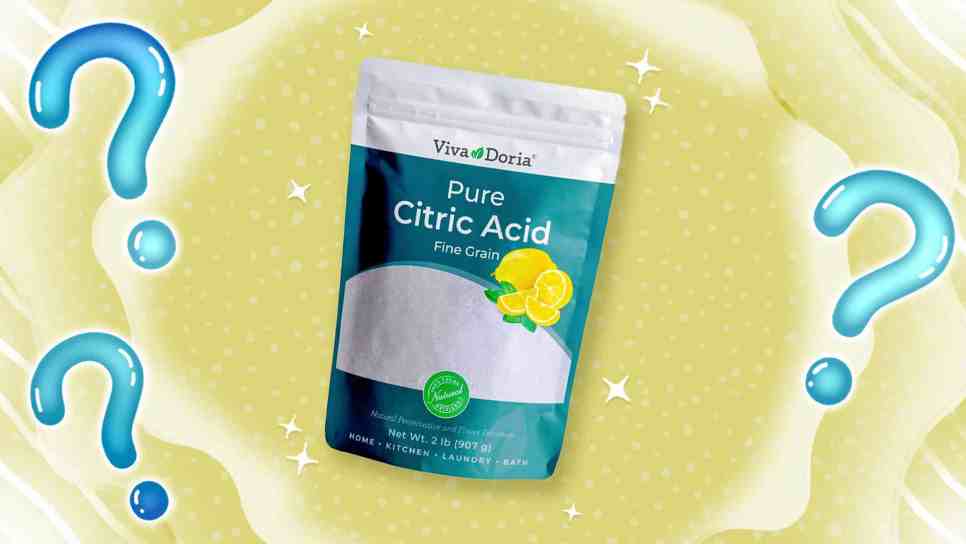
Have you been feeling pretty blah about your recent home cooking? If things are feeling or tasting bland, I’ve got a solution that’s super simple and requires adding just a single ingredient that’s so versatile, you can use it in almost any dish. And no, it doesn’t require extending your cook time, chopping another item, or springing for a high-priced and specialized salt.
Videos by Sporked
If you think you’ve mastered the art of balancing sweet and savory, basic and acidic, you’re going to want to reconsider what you’re using—and not using—in your home cooking creations. If you haven’t been using citric acid, odds are there’s room to give your go-to recipes a serious flavor boost.
Citric acid can take weak or far-too-basic dishes and amp them up. And once you give it a try in everyday food, you’re going to keep it in your pantry for every dinner you whip up.
What Exactly Is Citric Acid?
Citric acid is, to some degree, as simple as it sounds. It’s an acid. So, you can break out citric acid when you need to add a little bite to your recipes, kind of like when you add lemon to a creamy pasta sauce or vinegar to a thick steak sauce or dressing.
But citric acid isn’t as widely used as these other two acids, at least not in today’s home kitchens. Citric acid is an organic acid that naturally occurs in foods like citrus fruits and berries. But the pantry version isn’t the same as what you’d find in, say, an orange.
Citric acid that’s sold in stores for cooking purposes actually comes from sugar that’s fermented with Aspergillus niger—and yes, that’s a fungus. (Don’t worry, all the fungus is filtered out before citric acid ever makes its way to store shelves.) The resulting product is a powdered white seasoning that kind of looks like salt.
Trust me, though: you don’t want to sprinkle citric acid on any food like salt or sugar. If you’ve ever experienced the mouth-burning feel of WarHeads candy, it’s pretty much that level of sourness. Fun fact: citric acid is actually what makes WarHeads so sour.
How To Use Citric Acid In Your Home Cooking
Wondering why you’d ever want to douse your food in something so sour? Well, citric acid’s sourness can have a big benefit. When used in small amounts, it can enhance food’s flavor without adding extra liquid à la lemon juice, vinegar, and other similar acid additions.
Any time you’re working with a recipe that could benefit from a dose of acid to balance its richness, its blandness, or its quieter-than-anticipated flavor, a little citric acid goes a long way. It can intensify the other ingredients, including any seasoning blends you’d added—yes, even if it’s just simple salt sprinkled in.
Grab a pinch of citric acid and dust it over pasta sauces, dressings, and even meat marinades. You’ll notice everything tastes more potent in the best way and you don’t have to do much more than lift a finger and open a seasoning bottle.
 Gwynedd Stuart
 Jordan Myrick
Thoughts? Questions? Complete disagreement? Leave a comment!