

 Mikaela Hardiman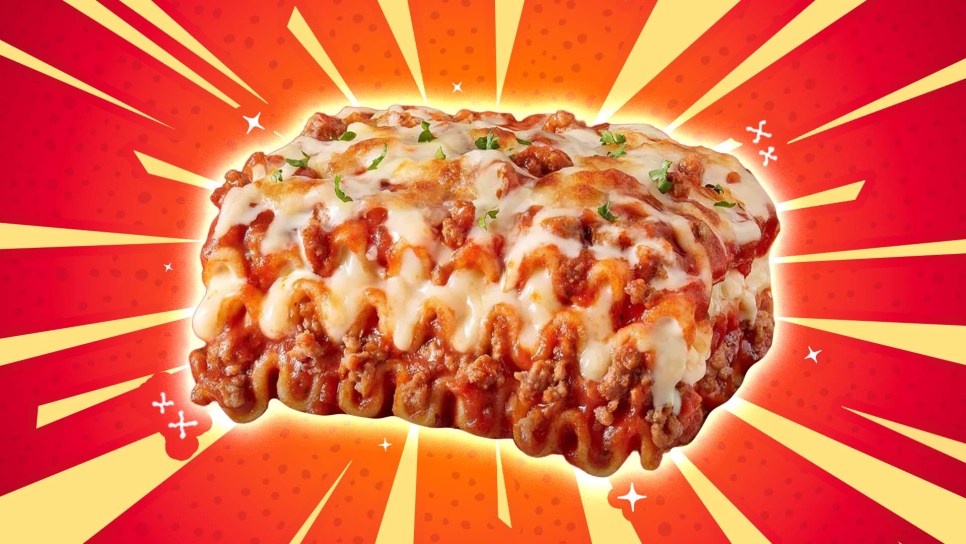
There are two kinds of leftovers: the ones you eat because you paid for them and refuse to let perfectly good food meet the garbage disposal and the ones you actively look forward to eating again.
Videos by Sporked
Some foods just get better after a night in the fridge. The flavors have time to mingle, sauces get absorbed, and everything somehow becomes more cohesive than it was when you were standing over the stove 12 hours earlier. It’s not just wishful thinking, either. Certain foods really do seem to benefit from a little time in the fridge.
Here are some of the foods that have somehow figured out how to improve with age.
Lasagna
Lasagna is already doing a lot: pasta, cheese, meat sauce, more cheese, possibly vegetables if you’re feeling virtuous. But give all those layers a night to hang out and you’ve got something even better.
As the lasagna chills, it firms up, making those layers easier to slice, while the sauce has more time to settle into the pasta and cheese. It’s one of those dishes where the day-two version can give the fresh one a serious run for its money.
And if you really want to commit, pan-fry a slice until the edges get crispy. Suddenly, your leftovers have a texture upgrade.
Chili
Chili might be the ultimate “please wait until tomorrow” food.
The longer it sits, the more the flavors seem to meld together, particularly when you’ve got a rich tomato base, spices, beans, and meat all involved. What tastes a little sharp and separate on the first night can become deeper and more cohesive after a night in the fridge.
It’s the culinary equivalent of a group project where, somehow, everyone actually contributes.
Anything with a long simmer tends to benefit from this treatment, but chili is the poster child.
Curry
Pretty much every type of curry has a strong case for being better the next day. Indian, Thai, Japanese… the leftovers fan club isn’t picky.
Curry is basically built for this. It’s packed with spices, aromatics, sauce, and whatever meat or vegetables you’ve thrown in, giving all those flavors plenty of time to settle together. Ingredients also continue absorbing the sauce as they sit, so every bite can taste more fully seasoned the following day.
One way to put it is that the dish gets to marinate in its own yumminess, which is frankly a better explanation than anything more technical.
Just keep the naan fresh. Some things have limits.
Pizza
Fresh pizza has the advantage of being fresh pizza, but leftover pizza has something else going for it: the chance to reheat it correctly.
A quick trip to a skillet can bring the crust back to life while melting the cheese, rather than turning the whole slice into the floppy, vaguely damp sadness that can happen in the microwave. The trick is to cover the pan briefly to help melt the cheese, then uncover it to crisp up the bottom.
Or eat it cold. I won’t judge.
Mac And Cheese
Macaroni and cheese is one of those foods that somehow transforms overnight. The pasta keeps absorbing the cheesy sauce, the whole thing firms up, and reheating can create crispy little edges that weren’t there the day before.
It’s not necessarily better than a bubbling dish straight from the oven (let’s not get carried away with this now), but leftover mac and cheese has a distinctly different appeal. Especially if you reheat it in a skillet, where you can get those coveted browned bits.
Sometimes those crispy parts are the whole point of waiting a day.
Stews And Casseroles
If there’s a category of food specifically designed to benefit from sitting around, it’s the stew-and-casserole family.
Beef stew, pot roast, shepherd’s pie, baked ziti, and similar dishes all have plenty of ingredients packed into one container, which gives everything time to settle together. And because many of these dishes are already slow-cooked, reheating them the next day is less about bringing them back to life and more about letting the flavors continue doing what they were doing in the first place.
So the next time someone complains that you’re making enough stew to feed a small village, remind them that you’re not overcooking. You’re investing in tomorrow’s lunch.
And that’s just good financial planning.

 Griffin Parker
 Jordan Myrick
 Sporked Staff
Thoughts? Questions? Complete disagreement? Leave a comment!