

 Hebba Gouda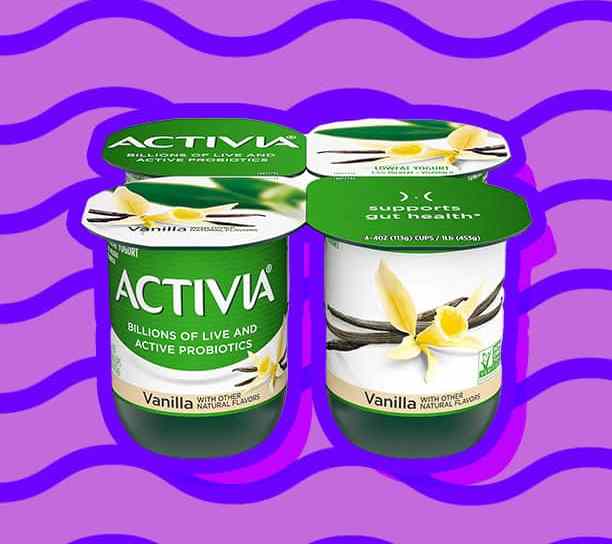
“Postbiotics” have been oft overlooked in a world of “-biotics.” We’ve heard of prebiotics and probiotics because of their stellar PR that has us buying up all the Activia we can get our hands on, desperately hoping that those active cultures will keep us as robust as Jamie Lee Curtis.
Videos by Sporked
But, what is this “postbiotic” term that’s floating around? How is it different from prebiotics or probiotics? Will it help me be more like Jamie Lee Curtis, and why should I care about it if it won’t? All great questions, to which we have some answers.
What are pre and probiotics?
To set the “insert-prefix-here-biotic” scene, the quick and dirty of the sibling relationship is as follows:
Probiotics are living microorganisms in certain foods (like yogurt and sauerkraut) that promote good digestion. Nay, they are crucial to good digestion because they help cultivate a balance of bacteria and microorganisms in your gut microbiome.
Prebiotics are the food for probiotics. They include fiber rich foods like beans and whole grains that break down in the body to create fuel for probiotics to do their thing.
But I asked about postbiotics!
Hold your horses! According to a paper published in the National Library of Medicine, “Postbiotics are non-viable bacterial products or metabolic byproducts produced by probiotic microorganisms that have biologic activity in the host.” Which is why you should be patient with us, because we had to translate all this into human speak for you. Basically, postbiotics are the waste from probiotic activity, which was fueled by prebiotics. See? You needed to know the other things, grasshopper.
Postbiotics include helpful nutrients like vitamins B and K, amino acids, and antimicrobial peptides that help slow down the growth of harmful bacteria.
What are the benefits of postbiotics?
Postbiotics may improve overall gut health and strengthen the immune system, keeping the gut microbiome balanced by helping good bacteria thrive and keeping the bad in their lane. When that microbiome is out of whack, it can lead to tummy troubles like nausea and bloating.
Probiotics and postbiotics have similar roles. But probiotics tend to be safer for people with weakened immune systems since they don’t include the live bacteria that’s a package deal with probiotics.
Postbiotics sound great! How do I get those into my life?
You can up your postbiotic intake with fermented foods like kefir and kimchi, but there are also postbiotic supplements. However, it’s important to note that the FDA doesn’t regulate postbiotic supplements. That means there’s no oversight on how supplements are made, stored, or marketed. How do you combat this free-for-all? Do your research, read your labels, check in with healthcare professionals, and pay attention to how you react to supplements. Unless Jamie Lee Curtis promotes it. Then just give that company all of your money.
 Tyler Bowers
 Will Morgan

Thoughts? Questions? Complete disagreement? Leave a comment!