

 Rachel Jones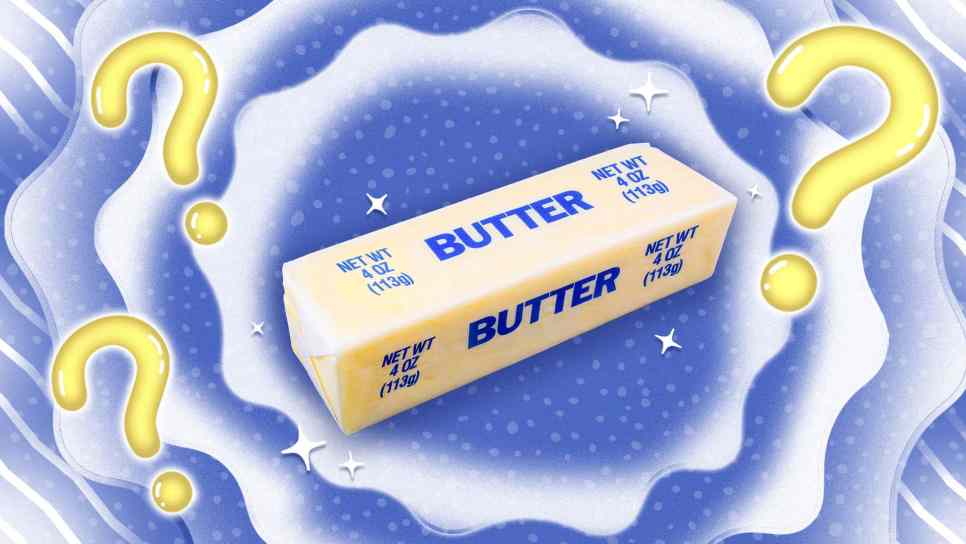
Butter is one of those diet staples that I think often goes overlooked for many of us. And yet, it’s still something lot of people rely on in some capacity to make everything to eat. Since that’s the case, I find it strange just how many questions are still surrounding the product. The most glaring one though is that there seems to be a generally convoluted answer to the question of whether or not is safe to leave your butter at room temperature for extended periods of time.
Videos by Sporked
So, that’s what we’re here to help you understand. There are simple questions in life that everyone should just know the answer to and we think this is one of them. Is it really safe to leave your butter out at room temperature? The answer is yes, but there’s a bit more to it than that.
The Louis Pasteur Of It All
A lot of food safety organizations will say that it’s really not okay to leave dairy out past four hours. But that is for your typical dairy products like yogurt, milk, and cream. Butter is different than those products in that regard due to the very thing that makes it an irresistible product―its fat content. The most important component that makes it safe is the fact that most butter has over 80% butterfat content. Fat has a natural quality of preservation that can sustain a dairy product at room temperature for a longer period of time without turning rancid. The FDA themselves have said that butter is safe to be left out for a couple of days, but there is even a recent petition to extend the FDA recommendation to 21 days by Kitchen Concepts.
Most dairy that you can find in the grocery stores of the United States is required to be pasteurized all the same. The process of pasteurization involves heating the dairy to a certain temperature that would kill off the bacteria that can harm us. This is the same process that makes it okay to eat raw egg without fear of getting sick. Since the process of making butter involves using pasteurized dairy, then we’re already off to a great start in regards to its food safety. With less bacteria in the dairy, butter left at room temperature it’s less likely to spoil.
How To Store Your Butter
There’s still best practices to know about keeping your butter out, though. For starters, butter into warmer environment is either going to melt or turn rancid quite quickly. Optimum temperature temperatures in your kitchen for on the counter butter storage kitchen should be between 67 and 72°F―basically the cooler it is, the longer it’ll last. Best to store it away from your oven and stove, too!
Beyond that, you want to keep it covered and in as air safe of a container as possible. Not only do you want to prohibit it from having physical impurities from kitchen debris and household dust, but butter as a fat picks up flavors from the aromas in your kitchen. You don’t need to necessarily go as far as getting a butter bell to do that, but for the average person, the standard glass or ceramic butter dish should be just fine.
Finally, it’s critical to note that all butter is going to be different. Salted butter is going to be safe to eat longer than unsalted butter due to salt’s ability to preserve and cure things. But since salt content across salted butters isn’t consistent, there isn’t a hard and fast rule that can be applied to any recommendations. Overall though, most food experts would recommend to have unsalted butter out for much less time than salted butter and to generally be reasonable with what you leave out. If you can’t remember the last time you refreshed your butter dish, it’s probably time to start anew with a fresh stick of that beloved home comfort.

 Gwynedd Stuart
 Jordan Myrick
 Danny Palumbo
 Ariana Losch
Thoughts? Questions? Complete disagreement? Leave a comment!