

 Mikaela Hardiman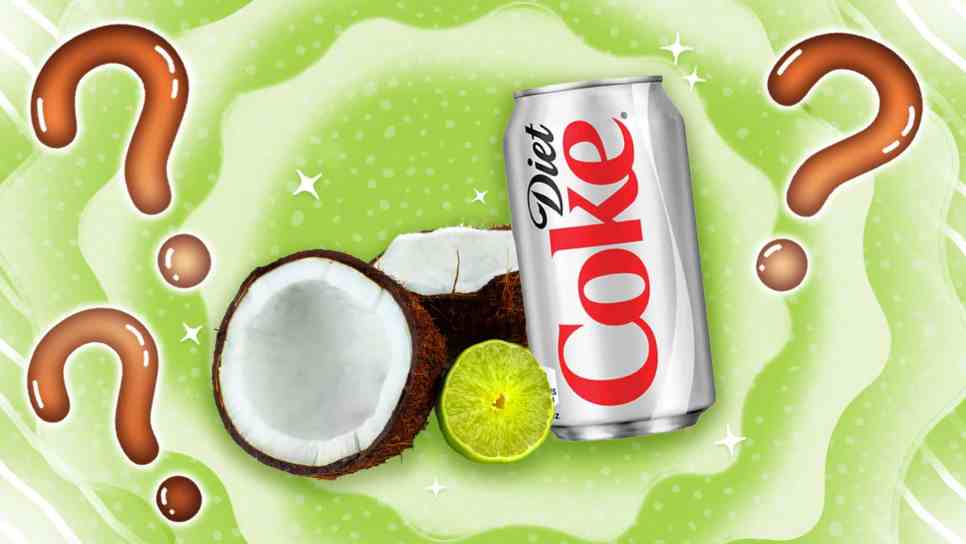
A few years ago, if someone offered me a dirty drink, I would assume something had gone very wrong.
Videos by Sporked
Maybe it was spilled. Maybe it had been sitting out too long. Maybe someone needed to clean the cup. Now? A dirty drink is something you order on purpose. Dirty soda. Dirty chai. Dirty matcha.
Somehow, “dirty” has gone from describing a drink you probably shouldn’t consume to one of the most successful words in beverage marketing. And the weirdest part? It works.
How Did “Dirty” Become A Drink Trend?
The version that really sent the trend mainstream was dirty soda―a combination of soda, flavored syrups, and cream that turned a regular fountain drink into something closer to a dessert. The trend gained popularity through soda shops like Swig, where customers could customize drinks with endless combinations of flavors, add-ins, and toppings.
Soda stopped simply being a drink and became a fizzy reflection of your personality.
Are you a coconut cream Coke person? A cherry vanilla Dr Pepper person? A person who adds so many syrups that people ask if you want soda with that? The options are endless. But dirty soda wasn’t the first time “dirty” found its way into beverages.
Dirty chai―adding espresso to chai tea―has been a café favourite for years. More recently, dirty matcha took off, combining the wellness drink of the moment with a shot of espresso. Because apparently even matcha needed a little chaos. Different drinks, different ingredients, same marketing trick: take something familiar and make it feel a little more exciting.
The Marketing Genius Of “Dirty”
The appeal is obvious. “Dirty” makes a drink sound more interesting. A regular iced latte is fine. A dirty iced latte sounds like it has a backstory.
It turns a simple menu item into something that feels custom-made, slightly rebellious, and just different enough to justify posting it on social media. And that’s really the secret behind the rise of dirty drinks: customization. Consumers don’t just want a drink anymore. They want their drink.
The same way people personalize phone cases, playlists, and coffee orders, beverages have become another way to show personality. The more specific the order, the more it feels like you discovered something. A plain Coke is just a Coke. A coconut cream vanilla dirty Coke with extra lime? That is apparently a lifestyle choice. Of course, the word “dirty” has another advantage: it makes a completely ordinary drink sound more exciting.
The Trend Is Here To Stay
Food and beverage brands are constantly searching for the next buzzword. Everything is now “loaded,” “ultimate,” “extreme,” or “secret menu.” Adding “dirty” to a drink creates instant curiosity. Nobody is rushing to try a “regular matcha.” But a dirty matcha?
Maybe that’s why the trend has stuck. It’s not really about making drinks messy. It’s about making them feel like an experience. Because evidently, the easiest way to make someone excited about a beverage is to convince them it has a little bit of trouble attached. We all want to be rebels. Dirty might not sound refreshing. But it definitely sells.

 Griffin Parker
 Rachel Jones
Thoughts? Questions? Complete disagreement? Leave a comment!