

 Jay Wilson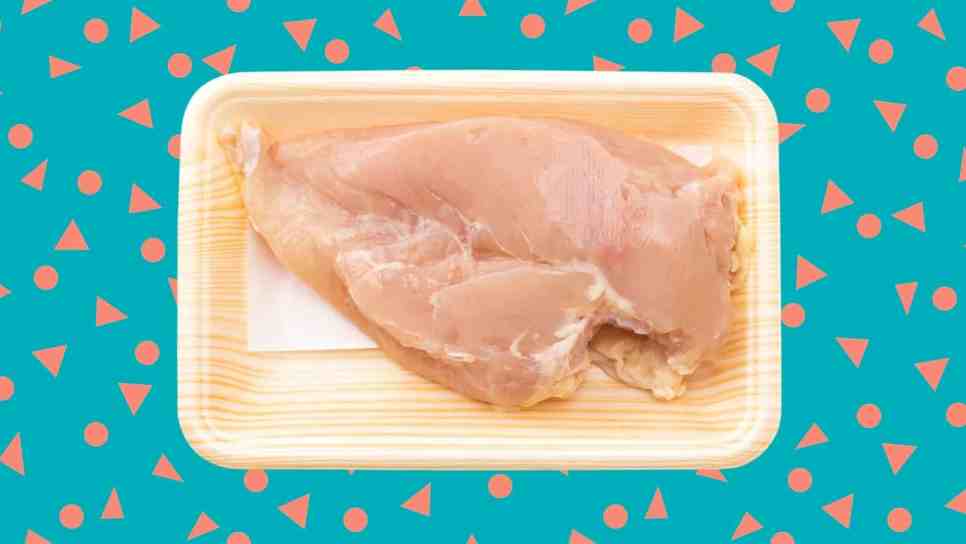
Thawing chicken: It should be so easy. Ah, if only. Everyone has their preferred method for warming up frozen chicken, but with a lot of those methods comes some risk. If you warm it up too quickly or by using certain, shall we say, intervention methods, your chicken can either toughen up or partly cook. In other cases, your chicken can become unsafe to eat – which is, obviously, the last thing anyone wants.
Videos by Sporked
So how do you do it so you don’t get sick, while also making sure your chicken stays good? Well, there are two methods – and one of them’s quicker than the other.
Method 1
The first method is hands-off and foolproof, but not super speedy: Put it in the fridge. When you thaw chicken, you need to make sure it stays out of what the USDA calls the Danger Zone, the temperature range in which food allows bacteria to grow. This is anywhere between 40 and 140 degrees Fahrenheit. By putting your chicken in the fridge, you’ll keep it well below this range, and it’ll gradually thaw while remaining safe.
If you’re doing this, make sure you put it in a bowl or container so that when it thaws, any juices released are caught. Give yourself a fair bit of time, too: It’s best to do this overnight.
Method 2
If you want to speed things up considerably, use a cold water bath. Put your chicken in a Ziploc bag, and then place it in a large bowl of water below 40 degrees. Change the water every half an hour or so, to ensure that it doesn’t warm up too much.
With this method, most chicken pieces should thaw in a couple of hours or less. The consistent contact with the cool water will bring it up to temperature way more quickly than if it were left in the cold air of your fridge. The key with this one, though, is vigilance: It’s easy to forget about it, and come back to chicken that’s warmed up too much to be considered safe.
What You Shouldn’t Do
Using the thaw setting on your microwave might be tempting, but you risk cooking your chicken when you do so. Thaw settings on microwaves don’t use some kind of different technology, but just a lower intensity. As such, your chicken is basically cooking from the outside as you zap it, but more slowly.
Avoid leaving it out on the counter, too, or in a warm water bath. While these are quicker than other methods, they again risk putting your chicken in the Danger Zone for too long, and thus becoming unsafe to eat.

 Jessica Block
 Naajia Shukri
 Jordan Myrick
Thoughts? Questions? Complete disagreement? Leave a comment!