

 Mikaela Hardiman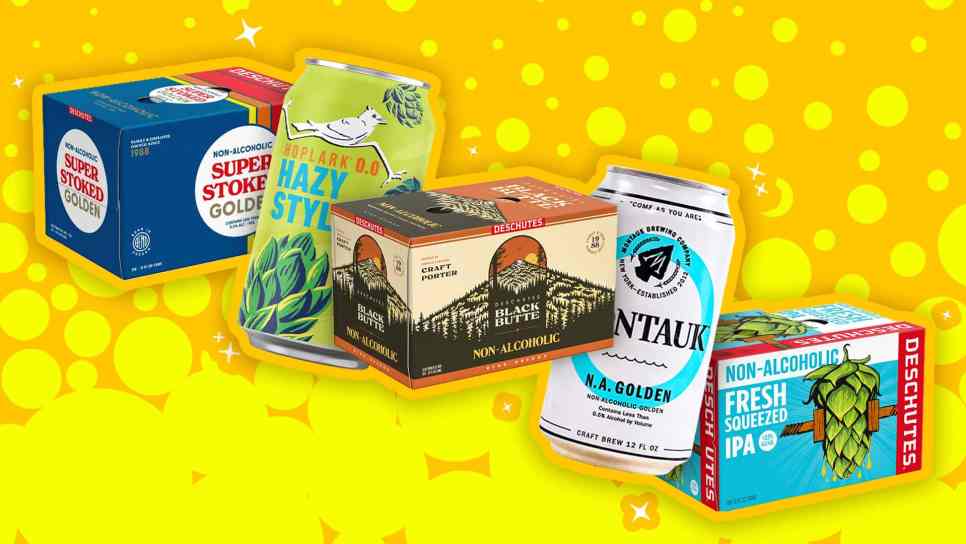
It wasn’t too long ago that finding non-alcoholic beer was like finding a decent cup of decaf. It existed, but nobody was particularly excited about it. Today, that’s no longer the case. This week, Tom Holland’s non-alcoholic beer brand Bero launched four limited-edition shandy flavors, which will hit Target shelves on June 14. On its own, that’s not exactly earth-shattering food news. Celebrities launch beverage brands the way grocery stores launch pumpkin spice products.
Videos by Sporked
What’s more interesting is what Bero’s expansion says about the state of non-alcoholic beer in 2026.
At some point over the last few years, NA beer stopped being just for non-drinkers. It’s now attracting plenty of people who still enjoy alcohol but don’t necessarily want it every time they crack open a beer. That’s a subtle distinction, but it’s a big one.
When Did NA Beer Get Good?
For decades, non-alcoholic beer occupied a strange place in American drinking culture. It was often viewed as a backup plan―a stand-in for the “real thing.” If you ordered one at a bar, people assumed you were the designated driver. If you bought a six-pack at the grocery store, your options were limited.
Now, many grocery stores have entire sections dedicated to alcohol-free beer. Instead of a lonely six-pack gathering dust on the bottom shelf, shoppers can choose from alcohol-free IPAs, lagers, wheat beers, stouts, and seasonal releases. Some stores even merchandise them right alongside traditional beer. The transformation has happened so gradually that it’s easy to miss.
Brands like Athletic Brewing helped change perceptions by treating NA beer like craft beer rather than a compromise. Major beer companies followed suit. Today, shoppers can find alcohol-free versions of familiar favorites from brands like Guinness and Heineken, alongside newer companies built entirely around the category.
The Rise of the “Sometimes Drinker”
At the same time, consumer habits have evolved. More Americans say they’re trying to reduce their alcohol consumption, but that doesn’t necessarily mean they’re giving it up altogether. Instead, many people are embracing moderation. Maybe they want a beer with lunch but still have a full afternoon ahead of them. Maybe they’re cutting back during the week. Maybe they simply want the taste and ritual of cracking open a cold beer without the buzz.
As a result, non-alcoholic beer is no longer defined by what it lacks. For years, brands marketed these products around the absence of alcohol. Today’s most successful players focus on what the product actually is: a well-made beer that happens to contain little to no alcohol.
It’s a fundamentally different pitch―and one that’s clearly resonating with shoppers.
Which Brings Us Back to Bero
Tom Holland launching a line of limited-edition shandies isn’t especially notable because he’s a celebrity. Celebrity beverage brands are everywhere. What’s notable is that an alcohol-free beer launch from a celebrity no longer feels unusual.
A few years ago, that might have sounded like a niche wellness play. Today, it feels like a logical business decision. The clearest sign that non-alcoholic beer has gone mainstream isn’t the growing shelf space or the celebrity-backed launches. It’s the fact that shoppers no longer need a specific reason to buy it.
It’s just another option in the beer aisle. And that’s probably the biggest sign that non-alcoholic beer has made it. Not because people stopped drinking beer. Because they’re no longer treating non-alcoholic beer like something separate from it.
 Gwynedd Stuart
 Jordan Myrick
 Hebba Gouda
Thoughts? Questions? Complete disagreement? Leave a comment!