

 Mikaela Hardiman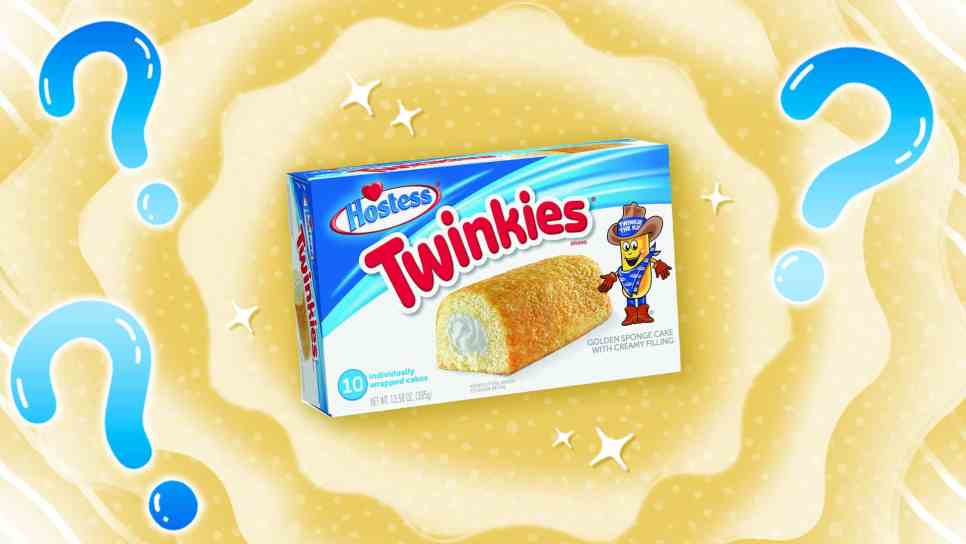
Mention Twinkies and people tend to have some pretty mixed feelings. And then suddenly become food scientists. The iconic little cake has spent decades building a reputation as America’s most suspiciously indestructible snack. They’ve survived bankruptcy rumors, apocalypse jokes, and years of internet discourse insisting the sponge cakes are “basically plastic.” So naturally, when people started hearing whispers about Twinkies being banned in parts of Europe, most of us just accepted that information immediately.
Videos by Sporked
And honestly? It wasn’t entirely made up.
Twinkies faced restrictions in countries including Norway, Finland, Germany, and Switzerland over concerns surrounding two artificial food dyes commonly found in American packaged snacks. The culprits? Yellow No. 5 and Red No. 40.
According to The Takeout, several European countries have historically taken a stricter approach to the additives over potential health concerns, including possible links to hyperactivity, allergic reactions, and other long-term risks. The European Food Safety Authority also introduced warning-label requirements for foods containing synthetic dyes, which pushed many companies to reformulate products sold overseas.
Why Europe Keeps Side-Eyeing American Snacks
The Twinkies situation is part of a much bigger conversation about the difference between American and European food standards. In the United States, artificial dyes like Yellow No. 5 and Red No. 40 are still approved by the FDA and remain incredibly common in everything from cereal and candy to soda and chips. But European regulators have historically taken a more cautious approach, especially around synthetic additives marketed toward children.
Twinkies also weren’t the only snack catching heat overseas. Products including Skittles, Froot Loops, Pop-Tarts, Lucky Charms, and Little Debbie snacks have all faced criticism, reformulations, or labeling changes tied to artificial dyes used in U.S. versions of the products. In many cases, brands created alternate recipes for European markets using natural coloring instead.
And despite the internet’s favorite version of the story, Twinkies were never permanently “banned across Europe” in some dramatic international rejection of processed snack cakes. Over time, regulations shifted, products were reformulated, and imported versions still continued to appear in specialty stores.
Twinkies Still Have One Of The Wildest Reputations In Food
At this point, Twinkies almost feel bigger than the snack itself. They’ve become synonymous with overly processed American food culture–the sweet equivalent of “this probably has ingredients I can’t pronounce.”
Ironically, the pressure around artificial dyes may now be circling back to the U.S. Earlier this year, the FDA and the Department of Health and Human Services announced plans to phase out petroleum-based synthetic food dyes by the end of 2026, which could eventually force major brands to rethink some of their most recognizable products.
So after years of Europe side-eyeing America’s brightest-colored snack foods, Twinkies may finally be heading toward a makeover at home, too.
 Justine Sterling
 Kota Lee
 Jordan Myrick
Thoughts? Questions? Complete disagreement? Leave a comment!