

 Rachel Jones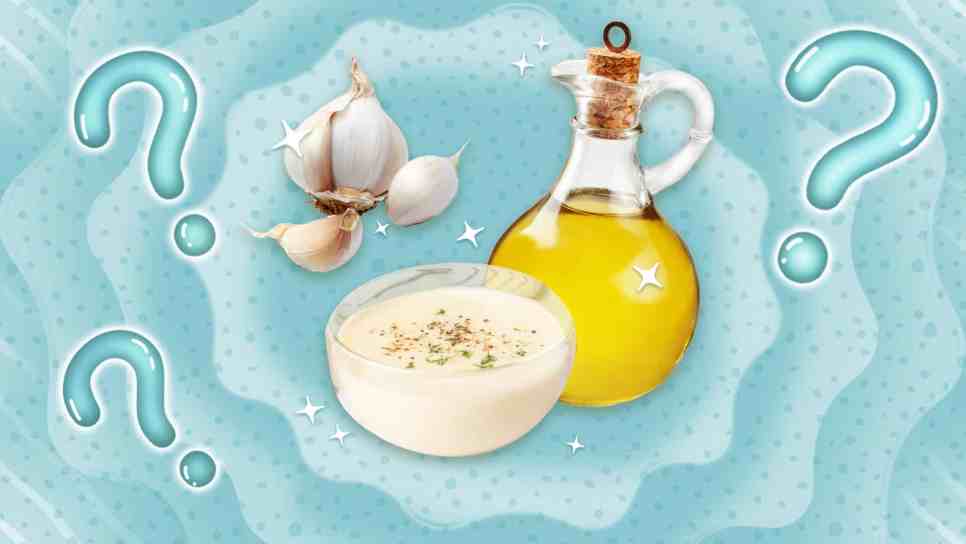
Aioli has seemingly taken over the culinary scene, but it’s not really a new concept. I mean, even the name aioli kind of alludes to be something way more illustrious than it really is. At the end of the day, it’s just a rich and flavorful condiment that originates from the Mediterranean. True to Mediterranean cuisine, it’s simple. Modern interpretations have added ingredients that have made it into something more comparable to a mayonnaise. But be warned, the two are far from the same to any purists.
Videos by Sporked
And, listen, I know what you’re thinking. If it has such a fancy name that must mean it’s difficult to make, right? Well, that’s where you would be wrong. Sure, aioli has some common pitfalls and the unique flavors found at restaurants may scare a need-to-know home cook away. But, with a couple of tips and tricks, your homemade aïoli might be the show-stopping sauce that puts your cooking on the map of your social network.
The Science Behind The Sauce
Broken down, a traditional aioli is made up of just garlic and oil. Modern interpretations stray from the purity of the two-ingredient sauce by adding things like mustard for flavor, egg yolks for richness, and/or lemon juice for balance―and this is when we really start to fall in the mayonnaise vs. aioli territory. An aioli, though, isn’t fussy. Especially not with modern equipment and expert advice.
Let’s say, for the sake of being translatable to the average aioli recipe you’d find, that for your aioli you’re going to use all of the aforementioned ingredients. To make it in a way that is genuinely foolproof, I would 10/10 recommend using some kind of blender. Food processor, immersion blender, or Vitamix, the option’s yours. Then, you’re going to start by adding minced garlic, egg yolk, and some mustard. You want these to be smooth and well-incorporated before continuing.
The most important step to making a good aioli is how you add the oil. The oil needs to be streamed in steadily and gradually as the blender runs, so that you build something creamy and lush rather than oily and split. This technique is called emulsification and is caused by oil being suspended in liquid, of which all of our initial ingredients harbor. The process is made into far less of a dance when you make an aioli in a blender, since your only other option in this case would be to stream in the oil with one hand and whisk or pestle the mixture with the other.
Tips And Tricks
If you make the aioli in the blender, you’re far less likely to be faced with a broken mixture. But if you do, or even if you just want the bright flavor, a tablespoon or so of lemon juice and to keep blended should get you right back into tip-top shape. The extra liquid from the juice encourages the broken mixture to come back together. The fat from the oil and acid from the lemon juice should balance each other out. So once you’ve brought together the emulsification again, you have room to adjust flavor and seasoning.
The best thing to do when making an aioli is keep your cool. A broken aioli can always be saved and, as long as you’re approaching the aioli with low-stress, it is an easy technique for anyone to master. And once you do, your door to a world of creamy saucy flavor has just been unlocked.

 Gwynedd Stuart
 Griffin Parker

Thoughts? Questions? Complete disagreement? Leave a comment!