

 Mikaela Hardiman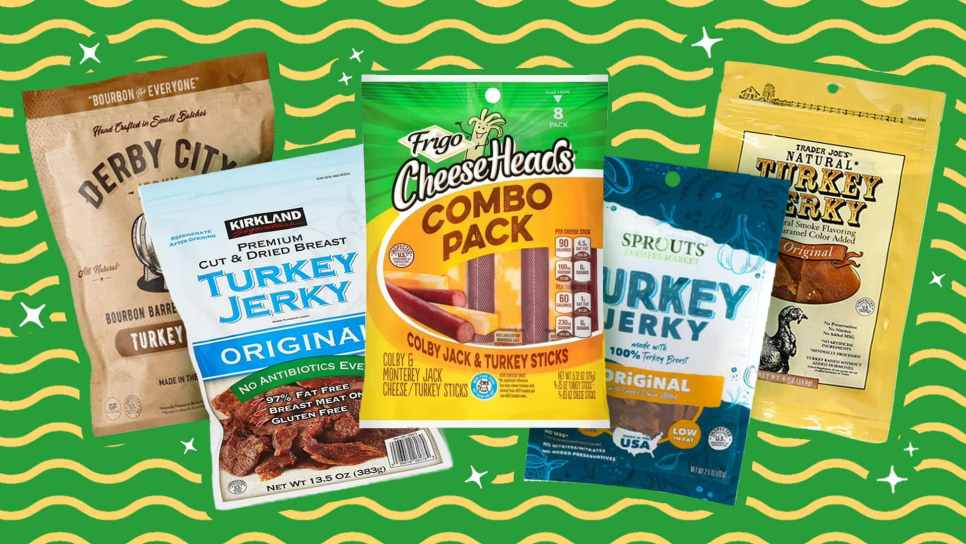
Over the last few years, we’ve seen protein being added to basically everything. Cookies. Chips. Popcorn. Cereal. Ice cream. Coffee. Pancakes. Water. If a food existed, someone found a way to put protein in it and print the number on the front. Now there are signs the whole thing might be wearing thin.
Videos by Sporked
A new survey of 2,000 Americans found that only 29% believe most “high-protein” or “better-for-you” claims actually live up to their promises. More than half (52%) say they’ve felt misled about how healthy a snack is because of its marketing. Among Gen Z, that number climbs to 60%. And 88% say products labeled “better for you” at least sometimes fail to explain what actually makes them better.
In other words, people have noticed. The label says “more protein,” but shoppers are starting to wonder whether that actually makes the food healthier.
The Cookie Is Still a Cookie
The most quotable line in the whole survey doesn’t come from a marketer. It comes from the nutritionist.
“A cookie is still a cookie,” said Heidi Skolnik, a sports nutritionist brought in to comment on the findings. “Adding protein to a nutrient-poor food doesn’t fundamentally change what it is.” Her advice was to skip the protein-fortified chips, popcorn, and cookies entirely and just eat foods that already contain protein―Greek yogurt, cheese, that kind of thing. She also gently suggested that nobody actually needs to “protein maxx.”
This is the quiet truth the protein boom has been papering over. A protein brownie is still a brownie. A high-protein cereal can still be a highly processed breakfast. The number on the front doesn’t erase everything on the back.
But There’s a Catch
It’s worth noting where this survey came from because it matters.
The study was commissioned by Link Snacks―the company behind Jack Link’s, the jerky brand. And unsurprisingly, a lot of its findings point toward the conclusion that meat snacks are the protein you can trust: 58% said they trust meat snacks most for health benefits, well ahead of shakes and bars.
That doesn’t make the findings about protein fatigue irrelevant. People really are getting more skeptical of protein marketing. But it’s a good reminder that “consumers are over protein gimmicks” is a convenient message for a company selling the one protein it says isn’t a gimmick. The trend may be real. The messenger just has a horse in the race.
So Are We Actually Over It?
Probably not entirely.
The same survey found Americans snack an average of 4.5 times a day and that protein is still one of the top things they say they want in a snack. This isn’t people rejecting protein. It’s people getting pickier about it. We’re tired of the label doing the talking and more interested in what’s actually in the bag.
Which might be the healthiest possible outcome of the entire protein craze. Not everyone swearing off protein, just everyone finally turning the package over to read the back. The cookie was always a cookie. People are just starting to admit it.
 Justine Sterling
 Jordan Myrick
 Griffin Parker
Thoughts? Questions? Complete disagreement? Leave a comment!