

 Hebba Gouda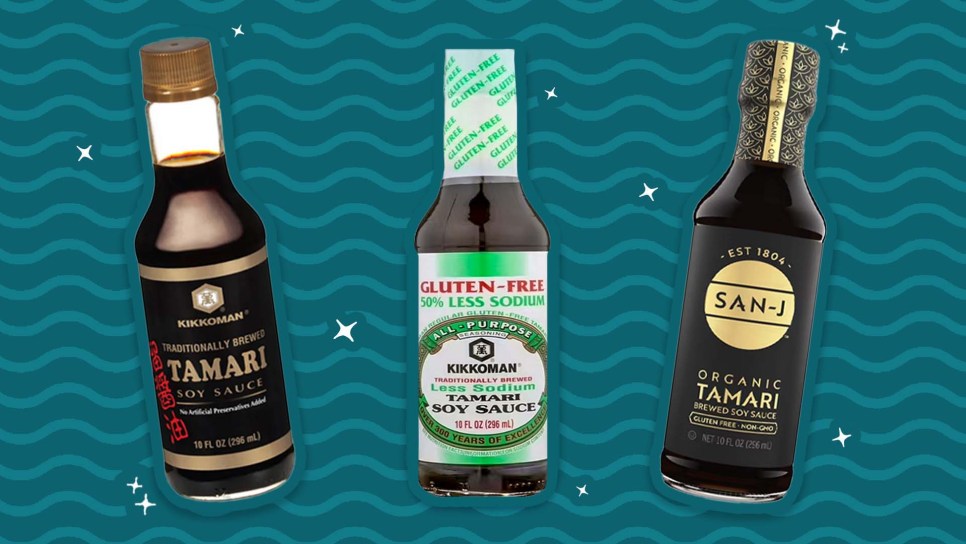
Don Quixote author Miguel De Cervantes famously wrote, “Hunger is the best sauce.” He must not have heard of tamari. I’ll give him a pass considering his whole “living in 1600s Spain” thing and “being a little busy authoring a founding work of Western literature that is often said to be the first modern novel.” But most of us don’t have that excuse, so it’s best you know about tamari.
Videos by Sporked
Often found next to soy sauce on the grocery store shelves, tamari is a Japanese sauce made from fermented soy beans. Although the sauces are similar, tamari’s longer fermentation process results in a darker color, a flavor that’s more umami and less salt forward than soy sauce, and a texture that’s slightly thicker. For the celiacs out there, tamari is often gluten-free, but there are manufacturers that use gluten, just as there are soy sauces that are gluten-free. So, now you know about tamari. But, what is the best tamari sauce? Keep reading.
Why you should trust me
As a lifelong soy-based condiment lover and one of the stingiest people alive, I would be the type of person to accidentally get a disappointing sauce, then hate-use the whole thing while I grumbled about the quality, just because I already spent the money on it. I don’t want that to happen to you. That is why I taste-tested a bunch of tamari sauces. That, and because the higher-ups at Sporked asked me to. But I probably would have done it anyway!
How I tasted tamari for this ranking
My approach to the comparison was two-fold. I licked a tiny bit straight off a spoon, and I dipped a piece of fresh, cold, crunchy cucumber into each contender. My sodium level may be through the roof, but so, too, is my happiness level.
Best Tamari Sauce Brands, Ranked
The following article contains affiliate links that may generate a small commission to us when you make a purchase through the link. Learn more about how we work with affiliates here.
- Kikkoman Less Sodium Tamari
-
If you are looking for a proper tamari and you pick this up, go ahead and put it back. This low-sodium, gluten-free tamari lacks the salt and umami that’s usually the draw of tamari, BUT! It’s good as its own thing. It’s alarmingly sweet and tastes almost like a glaze, and it’s thin and light instead of rich and unctuous. It’s much closer to somen sauce than tamari, but that’s not a knock, just a warning. I love somen so I love this, but advertising it as tamari feels misleading. If you’re in the market for a fun new sauce—maybe something to use with cold ramen noodles—this is the best tamari brand. 7/10 (as a sauce), 5/10 (as a tamari).
Credit: Liv Averett / Walmart
- Kikkoman Traditionally Brewed Tamari
-
When it comes to comparing soy sauce-like condiments, it seems redundant to call something “salty,” but the tamari sauces I tasted sorted themselves into salt-forward and umami-forward options. While this was among the saltier of the bunch, it was balanced in a way that a lot of the other salty ones weren’t (meaning, it didn’t taste like paint stripper). This is a happy middle-ground between tamari and its thinner, saltier cousin—soy sauce. Heads up, though, this is not gluten-free tamari.
Credit: Liv Averett / Instacart
- San-J Organic Tamari
-
This is the best tamari sauce—and my new go-to. It is distinctly different from traditional soy sauce in all the best ways. While it certainly packs salt, the leading characteristic is umami, and there is a refreshing lack of cloying sweetness or sharp alcohol flavor that hindered some of the others. It’s a wallop of flavor with depth and complexity, while still tasting pure and authentic, and is one of the more viscous, unctuous options. And it’s also gluten-free. It’s everything you want out of a tamari.
Credit: Liv Averett / Target

Best Sweet

Best Salty

Best of the Best
Other tamari sauces I tried:
San-J Low Sodium, San-J, San-J 50% Less Sodium, San-J Black Label, Kikkoman Gluten-Free

 Angela Guglielmino
 Gwynedd Stuart
 Jordan Myrick
Thoughts? Questions? Complete disagreement? Leave a comment!