

 Jay Wilson
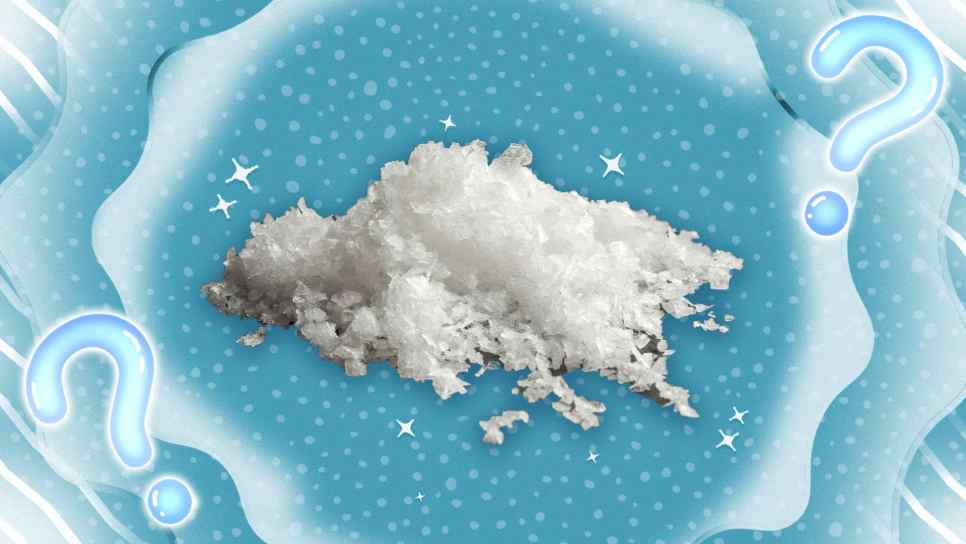
Ready for what I’m pretty sure is a completely original sentence? Okay, here we go: There’s a storm brewing over at Big Salt. When salt’s embroiled in controversy, it’s usually because there’s too much of it in something. What we didn’t anticipate, though, is that the very source of certain kinds of salt could also be a lightning rod for discussion and accusations of misleading shoppers.
Videos by Sporked
That’s exactly what’s happening this week around Maldon sea salt. The iconic salt brand, which we voted as our favorite flake salt of them all, is currently under fire for potentially not being what it says it is. Allow us to explain.
The Maldon Sea Salt Scandal Of 2026
It all started last Sunday. On November 15, British newspaper The Observer published an investigation into the British sea salt brand, which proudly wears its 140-year history of salt-making on the Essex coastline on its sleeve. As writer Jon Ungoed-Thomas stated in his article, Maldon’s branding very much leads with the claim that its Sea Salt Flakes are “100% sea salt flakes” from Essex, which seems to indicate that the boujie product is a single-origin one, and which feeds into its identity as an artisanal British product.
However, Ungoed-Thomas’ reporting established that Maldon’s production also involves imported rock salt, mined in Germany – and while the use of this salt is allowed by regulators to help filter seawater, it’s also alleged that this process (known as the “salt-on-salt process”) helps Maldon to increase its own salt volumes. In essence, the argument goes that it’s bulking up its Essex-sourced supply with imported salt, and its branding may therefore not be totally accurate.
What Has Maldon Said In Response?
The Observer states that Maldon said that its labelling and marketing, and its claim that its product is “100% sea salt flakes,” are correct. The brand also updated its website following the investigation to reflect the “salt-on-salt process” discussed above. As Allrecipes points out, Maldon has not been formally accused of misleading customers or misrepresenting its product. However, both local residents and online commentators have highlighted that even if the product’s production process and marketing are both permissible, they feel that there’s a sense of dishonesty at play here.
And What Do We Think?
Well, on a pure taste level, it’s arguable that this process doesn’t make a huge amount of difference. You have to have a particularly tailored palate to recognize the difference between pure Essex sea salt and Essex sea salt that’s potentially been mixed with German rock salt. I, personally, do not have that level of discernment – and I love Maldon salt, and will likely continue to use it. We understand why some people are feeling like they’re not getting the full story, though. Will this controversy continue to bubble along? Most likely.

 Jordan Myrick

 Justine Sterling

 Matt Crowley

Thoughts? Questions? Complete disagreement? Leave a comment!