

 Jay Wilson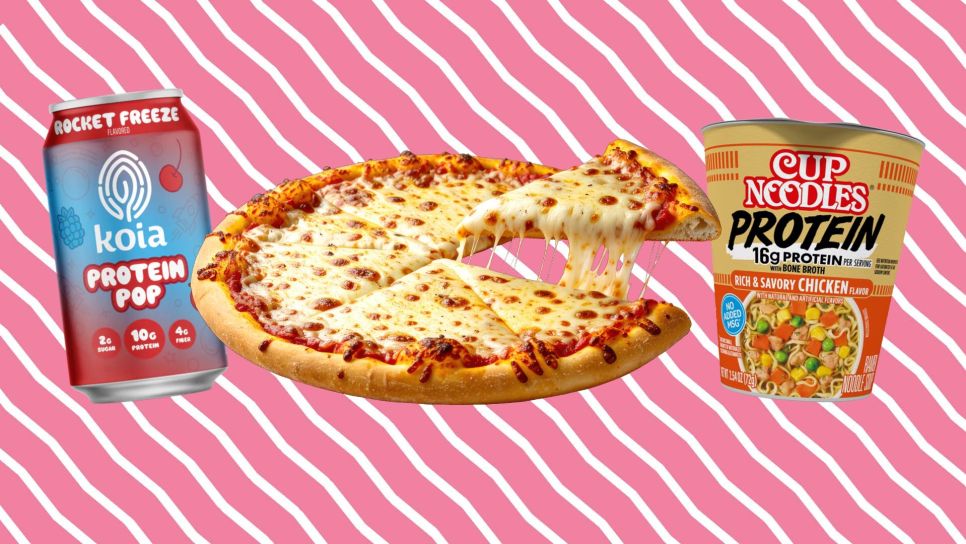
Protein: Apparently, we can’t get enough of it these days. It doesn’t take a private detective to figure out that protein is absolutely everywhere at the moment, and the never-ending trend of adding more and more protein into all the food we eat shows no signs of stopping (and honestly, these high-protein food products are getting pretty weird, folks).
Videos by Sporked
But let’s just pull back for a sec. We know that protein is being put in everything, but why? What kicked all of this off? And is it actually necessary? Let’s discuss.
Why Is Protein Everywhere These Days?
Well, there are a few factors to all this. Arguably, the main drivers of the protein boom are a combination of the increased popularity of strength training and the understanding of its benefits for all ages, and also more awareness around general nutrition. Advancements in food nutrition and whey availability have also meant that it’s easier than ever to boost the protein content of foods.
That said, one of the biggest reasons that protein is suddenly in everything is because food brands have caught on to all of these things – and now, they’re trying to outdo each other. High-protein foods are all the rage, and as consumers increasingly lean towards them, companies and manufacturers don’t want to be left behind.
And Do I Actually Need All This Protein?
That depends on your fitness goals – but at a base level, probably not. As the American Heart Association states, it’s recommended that adults 18 or over consume 0.8 g/kg per day. This means that if you weigh 70 kilograms, your recommended daily allowance of protein is 56 grams.
If you’re actively looking to build muscle, you may need more protein than this. It’s recommended you get around 1.6 to 2.2 grams of protein per kilogram per day, and high-protein foods may help you reach that goal. It’s important to remember, though, that you can overdo things – and given that even some high-protein snacks, like Quest’s new Dill Pickle chips, have almost 20 grams of protein, you can very quickly tip your protein intake into territory that you might not need.
What Happens If I Eat Too Much Of It?
As Harvard Health Publishing indicates, consuming a very high-protein diet can increase your risk of kidney stones, and high protein intake can be accompanied by high intake of saturated fat, which may lead to knock-on health effects. Crucially, though, having a little too much protein now and again likely won’t produce immediate or long-lasting health results, so you needn’t worry if you’re an occasional fan of high-protein yogurt. It’s just useful to keep an eye on things.
 Will Morgan
 Vinz Karl

Thoughts? Questions? Complete disagreement? Leave a comment!